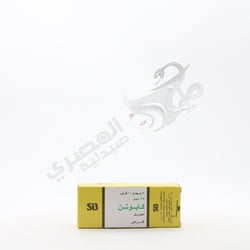
Capoten 50 Mg Tablets
Description:
Capoten 50 mg tablets are a prescription oral antihypertensive medicine containing captopril, a specific competitive angiotensin-converting enzyme (ACE) inhibitor. They are used to lower high blood pressure, manage certain types of heart failure, and protect the kidneys in selected patients, under medical supervision. By inhibiting ACE, Capoten 50 mg tablets reduce the formation of angiotensin II, leading to vasodilation, decreased aldosterone secretion, reduced sodium and water retention, and a fall in total peripheral resistance, thereby lowering both systolic and diastolic blood pressure while preserving renal, cerebral, and coronary blood flow.
Indications:
- Management of essential (primary) hypertension in adults, as monotherapy or in combination with other antihypertensive drugs as prescribed by a physician.
- Treatment of renovascular, accelerated, and malignant hypertension, where a greater blood pressure reduction is often observed due to high renin–angiotensin activity (under close specialist supervision).
- Adjunctive treatment of symptomatic heart failure, usually in combination with diuretics and, when appropriate, cardiac glycosides or other heart failure therapies.
- Reduction of cardiovascular risk and improvement of symptoms in patients with left ventricular dysfunction after myocardial infarction (post-MI), as directed by a cardiologist.
- Renal protection and blood pressure control in certain patients with diabetic nephropathy or other proteinuric kidney diseases, as determined by a nephrologist.
- Relief of hypertension-related symptoms such as headache, dizziness, palpitations, and fatigue when associated with elevated blood pressure (symptom control depends on individual response).
Active Ingredients / Key Components:
- Captopril – 50 mg per tablet (angiotensin-converting enzyme (ACE) inhibitor).
- Excipients: The full list of inactive ingredients (such as fillers, binders, and coating agents) is not available in the provided information. Please refer to the official package leaflet for a complete excipient list.
Dosage & Administration / How to Use:
- Capoten 50 mg tablets must be used exactly as prescribed by your doctor. Do not change the dose or stop treatment without medical advice.
- Route of administration: Oral use only. Swallow the tablet with a sufficient amount of water. It may be taken with or without food; however, captopril is often recommended to be taken 1 hour before meals to optimize absorption, unless your doctor advises otherwise.
- Typical adult dosing for hypertension (general guidance): The usual starting dose is lower (e.g., 12.5–25 mg) taken two or three times daily, then gradually adjusted by the physician. Capoten 50 mg tablets are generally used when higher individual doses are required, often 25–50 mg two or three times daily, with a maximum daily dose determined by the doctor. Exact dosing must be individualized.
- Heart failure / post-myocardial infarction / nephropathy: Treatment typically begins with low doses under close medical supervision and is titrated upward based on blood pressure, renal function, and clinical response. The specific regimen is determined by the treating cardiologist or nephrologist.
- Elderly patients and those with renal impairment: Lower starting doses and slower titration are usually required. Dose adjustments are based on kidney function tests and clinical monitoring.
- If you miss a dose, take it as soon as you remember unless it is almost time for your next dose. Do not double the dose to make up for a missed tablet.
- Continue taking Capoten 50 mg tablets even if you feel well, as high blood pressure often has no symptoms. Stopping suddenly may worsen your condition; always consult your doctor before discontinuation.
Clinical Benefits:
- Helps effectively lower high blood pressure, reducing the risk of serious cardiovascular events such as stroke and heart attack when used as part of a comprehensive treatment plan.
- Decreases total peripheral resistance and promotes vasodilation without significantly affecting cardiac output or cardiovascular reflexes, thereby maintaining stable blood flow to vital organs.
- Assists in the management of heart failure by reducing afterload and preload, improving symptoms such as shortness of breath, fatigue, and exercise intolerance when used with standard heart failure therapies.
- Supports renal protection in selected patients by improving renal hemodynamics and reducing intraglomerular pressure, which may help slow the progression of certain kidney diseases under specialist care.
- Provides more pronounced blood pressure reduction in renin-dependent forms of hypertension (e.g., renovascular, accelerated, and malignant hypertension) under close medical supervision.
Warnings & Contraindications:
- Contraindicated in patients with known hypersensitivity to captopril, any ACE inhibitor, or any component of the formulation.
- Contraindicated in patients with a history of angioedema related to previous ACE inhibitor therapy, hereditary or idiopathic angioedema.
- Contraindicated during the second and third trimesters of pregnancy due to the risk of fetal toxicity (including renal impairment, skull hypoplasia, and death). Use in the first trimester is generally not recommended.
- Use with extreme caution in patients with renal artery stenosis, severe renal impairment, aortic stenosis, hypertrophic cardiomyopathy, or conditions associated with low blood pressure or volume depletion (e.g., diuretic therapy, vomiting, diarrhea).
- May cause significant hypotension, especially after the first dose or dose increases, particularly in volume-depleted or salt-depleted patients. Blood pressure should be monitored regularly.
- Monitor renal function and serum potassium regularly, especially in patients with kidney disease, diabetes, the elderly, or those taking potassium-sparing diuretics, potassium supplements, or other medications that increase potassium.
- Use with caution in patients with collagen vascular diseases (e.g., systemic lupus erythematosus, scleroderma) or those receiving immunosuppressive therapy, as there is an increased risk of blood dyscrasias (e.g., neutropenia, agranulocytosis).
- Consult your doctor before use if pregnant, planning pregnancy, or nursing. ACE inhibitors are not recommended in pregnancy and should be avoided during breastfeeding unless clearly needed and specifically advised by a physician.
- Inform your doctor about all medicines you are taking, including diuretics, other antihypertensives, NSAIDs, lithium, potassium supplements, or herbal products, due to potential interactions.
- Not intended for self-medication. Use only under medical supervision and prescription.
- Keep out of reach of children.
Side Effects:
- Common side effects: Dizziness, lightheadedness (especially after the first doses), headache, fatigue, cough (persistent dry cough), altered taste (metallic or decreased taste), nausea, vomiting, abdominal discomfort, and rash.
- Less common but important side effects: Hypotension (low blood pressure), especially in volume-depleted patients; increased blood urea and creatinine; hyperkalemia (high potassium levels); and mild increases in liver enzymes.
- Serious side effects (seek immediate medical attention): Swelling of the face, lips, tongue, or throat (angioedema); difficulty breathing or swallowing; severe dizziness or fainting; signs of infection such as fever, sore throat, or mouth ulcers (possible neutropenia/agranulocytosis); yellowing of the skin or eyes (jaundice); severe abdominal pain; or markedly decreased urine output.
- If you experience any unusual or persistent symptoms while taking Capoten 50 mg tablets, contact your doctor or pharmacist promptly.
Storage Instructions:
Store in a cool, dry place away from direct sunlight and moisture. Keep the tablets in their original blister or container, tightly closed, and at a temperature below that specified on the pack (typically below 25°c, if stated). Do not use after the expiry date printed on the packaging. Keep out of reach of children.
Specifications:
- Product type: Prescription antihypertensive medicine (ACE inhibitor).
- Form: Tablet for oral use.
- Strength: 50 mg captopril per tablet.
- Pack size: 10 tablets per pack (CAPOTEN 50 MG 10 TAB.).
- Intended users: Adults, under physician supervision. Use in children only if specifically prescribed by a pediatric specialist.
Disclaimer: All pharmacy products are intended for general use only and do not replace professional medical advice, diagnosis, or treatment. Always consult a healthcare provider before use. Results may vary, and no specific outcomes are guaranteed. Products are not intended to diagnose, treat, cure, or prevent any disease unless stated. Follow label instructions carefully, as misuse may cause adverse effects. Compliance with local laws is the customer’s responsibility.


 You can add a rating once you purchase the product through the My Orders page

