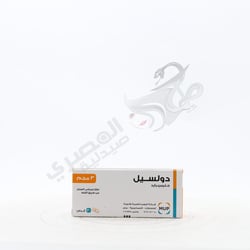
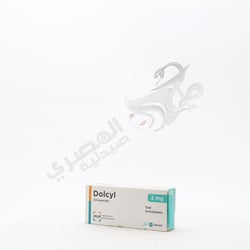
Dolcyl - 4 Mg 30 Tablets
Description:
Dolcyl 4 mg 30 tablets is an oral antidiabetic prescription medicine containing glimepiride, a sulfonylurea used for the management of type 2 diabetes mellitus in adults. It helps control high blood sugar by stimulating the pancreas to release more insulin and improving the body’s use of insulin. Dolcyl is typically used as part of a comprehensive diabetes care plan that includes diet, exercise, and regular blood glucose monitoring to reduce the risk of diabetes-related complications such as nerve damage, kidney disease, eye problems, and cardiovascular events.
Indications:
- Management of type 2 diabetes mellitus in adults when blood glucose levels cannot be adequately controlled by diet, physical activity, and weight reduction alone.
- Helps reduce elevated fasting and postprandial (after-meal) blood glucose levels.
- May be used as monotherapy or in combination with other antidiabetic agents (such as metformin or insulin) as directed by a physician.
- Aims to lower the risk of long-term diabetes complications including neuropathy, nephropathy, retinopathy, and cardiovascular disease when used as part of a full diabetes management plan.
Active Ingredients / Key Components:
- Glimepiride – 4 mg per tablet.
- Inactive ingredients (excipients) are not specified in the available information (For full ingredient information, please check the product leaflet or the manufacturer’s official website.); full excipient list is unavailable and should be checked on the package insert.
Dosage & Administration / How to Use:
- Dolcyl is for oral use only and must be taken exactly as prescribed by your doctor.
- Recommended starting dose: typically 1–2 mg once daily, taken with food (usually with breakfast or the first main meal of the day). The exact starting dose is determined by the physician based on blood glucose levels and patient profile.
- The dose may be gradually adjusted by the doctor based on regular blood glucose monitoring and clinical response.
- Maximum dose information in the provided context is 2 mg/day; however, higher maintenance doses may exist in clinical practice. Do not exceed the dose prescribed by your physician.
- Swallow the tablet whole with a glass of water; do not crush or chew unless advised otherwise.
- Take at the same time each day to maintain stable blood glucose control.
- If you miss a dose, take it as soon as you remember on the same day. If it is almost time for your next dose, skip the missed dose. Do not double the dose to make up for a missed one.
- Use in combination with lifestyle measures: follow your prescribed diabetic diet, maintain regular physical activity, and monitor blood glucose as recommended.
- Do not stop taking Dolcyl or change the dose without consulting your doctor, as this may lead to loss of blood sugar control.
Clinical Benefits:
- Helps achieve and maintain better control of blood glucose levels in adults with type 2 diabetes.
- Stimulates insulin secretion from functioning pancreatic beta cells, improving the body’s ability to handle meals and daily glucose fluctuations.
- Contributes to lowering the risk of diabetes-related complications when used long term as part of a comprehensive treatment plan.
- Oral tablet form offers convenient once-daily dosing for improved treatment adherence.
Warnings & Contraindications:
- Contraindicated in patients with type 1 diabetes mellitus, diabetic ketoacidosis (with or without coma), and in those with known hypersensitivity to glimepiride, other sulfonylureas, sulfonamides, or any component of the product.
- Risk of hypoglycemia (low blood sugar) is significant, especially if meals are skipped, caloric intake is reduced, intense physical exercise is performed without appropriate dietary adjustment, or if used with other glucose-lowering agents. Learn to recognize symptoms of hypoglycemia (sweating, tremor, hunger, palpitations, dizziness, confusion).
- Use with caution in patients with liver or kidney impairment; dose adjustment and close monitoring may be required.
- Alcohol intake may enhance or weaken the blood glucose-lowering effect and increase the risk of hypoglycemia; limit or avoid alcohol while taking this medication.
- May not be suitable for elderly, malnourished, or debilitated patients without careful dose adjustment and monitoring due to higher hypoglycemia risk.
- Consult your doctor before use if pregnant or planning pregnancy. Sulfonylureas are generally not recommended during pregnancy; insulin is usually preferred.
- Breastfeeding: glimepiride may pass into breast milk; breastfeeding is usually not recommended while taking this medicine unless specifically advised by a doctor.
- Inform your doctor about all other medications you are taking, including other antidiabetics, beta-blockers, ACE inhibitors, diuretics, corticosteroids, and herbal supplements, as interactions may affect blood glucose control.
- If you experience severe hypoglycemia, loss of consciousness, seizures, or symptoms of ketoacidosis (nausea, vomiting, abdominal pain, rapid breathing, confusion), seek emergency medical help immediately.
- Not intended to diagnose, treat, cure, or prevent any disease without medical supervision; it is a prescription medicine that must be used under a healthcare provider’s guidance.
- Keep out of reach of children.
Side Effects:
- Common side effects: hypoglycemia (low blood sugar) with symptoms such as sweating, shakiness, hunger, headache, dizziness, palpitations, and blurred vision.
- Gastrointestinal effects: nausea, vomiting, abdominal discomfort, diarrhea, or feeling of fullness may occur in some patients.
- Allergic reactions: skin rash, itching, redness, or urticaria. Rarely, more serious reactions such as angioedema or difficulty breathing may occur; seek immediate medical attention if these appear.
- Rare side effects may include changes in liver enzymes, jaundice, blood cell count changes (e.g., thrombocytopenia, leukopenia, hemolytic anemia) – contact your doctor if you notice unusual bruising, persistent sore throat, fever, or yellowing of the skin/eyes.
- If any side effects are severe, persistent, or you notice any unusual symptoms, stop the medication and consult your doctor promptly.
Storage Instructions:
Store in a cool, dry place away from direct sunlight and moisture. Keep the tablets in their original blister or container, tightly closed. Do not use after the expiry date printed on the pack. Keep out of reach of children.
Specifications:
- Product type: Prescription oral antidiabetic medicine (sulfonylurea).
- Strength: 4 mg glimepiride per tablet.
- Form: Tablet.
- Pack size: 30 tablets per pack.
- Intended users: Adults with type 2 diabetes mellitus, as prescribed by a healthcare professional.
Disclaimer: All pharmacy products are intended for general use only and do not replace professional medical advice, diagnosis, or treatment. Always consult a healthcare provider before use. Results may vary, and no specific outcomes are guaranteed. Products are not intended to diagnose, treat, cure, or prevent any disease unless stated. Follow label instructions carefully, as misuse may cause adverse effects. Compliance with local laws is the customer’s responsibility.



 You can add a rating once you purchase the product through the My Orders page

