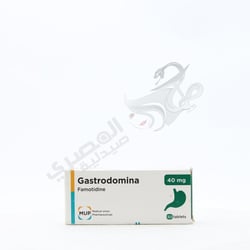
Gastrodomina 20 Mg Tablets
Description:
Gastrodomina 20 mg tablets are a prescription oral medicine containing famotidine, a histamine H2-receptor antagonist used to reduce stomach acid production. It is commonly used for the treatment and prevention of acid-related disorders such as peptic ulcer disease, gastroesophageal reflux disease (GERD), and heartburn. By selectively blocking H2 receptors in gastric parietal cells, Gastrodomina helps relieve symptoms like burning pain, acidity, indigestion, and epigastric discomfort, and promotes healing of ulcers and erosions in the stomach and duodenum.
Indications:
- Treatment of active duodenal ulcer and gastric ulcer.
- Maintenance therapy to prevent recurrence of duodenal and gastric ulcers, as directed by a physician.
- Treatment of gastroesophageal reflux disease (GERD) and reflux esophagitis.
- Relief of symptoms associated with hyperacidity such as heartburn, acid indigestion, sour regurgitation, and epigastric pain.
- Management of conditions with pathological hypersecretion of gastric acid (e.g., Zollinger–Ellison syndrome), as prescribed by a specialist.
- Prevention of acid aspiration (Mendelson’s syndrome) as an anaesthetic adjunct in high‑risk surgical patients, obese patients, or during caesarean section, according to hospital protocols.
Active Ingredients / Key Components:
- Famotidine – 20 mg per tablet.
- Other excipients: information about inactive ingredients is not available in the provided data; please refer to the package leaflet for the full list of excipients.
Dosage & Administration / How to Use:
- Use exactly as prescribed by your doctor. Do not exceed the recommended dose.
- Adults – duodenal or gastric ulcer (typical regimens): Common regimens for famotidine 20 mg include 20 mg twice daily or 40 mg once daily at bedtime. Your doctor will determine the exact dose and duration based on your condition. Do not adjust your dose without medical advice.
- GERD and reflux symptoms: Dosing and duration vary according to severity and clinical response. Follow your physician’s instructions.
- Hypersecretory conditions (e.g., Zollinger–Ellison syndrome): Higher and more frequent doses may be required under close medical supervision.
- Administration: Swallow the tablet whole with a glass of water. It can usually be taken with or without food, but take it consistently as advised by your doctor.
- If you miss a dose, take it as soon as you remember unless it is almost time for your next dose. Do not double the dose to make up for a missed dose.
- Do not stop treatment suddenly without consulting your doctor, especially in long‑term therapy.
- Not recommended for children unless specifically prescribed by a pediatrician and with an appropriate pediatric dosing regimen.
Clinical Benefits:
- Effectively reduces gastric acid secretion by selectively blocking histamine H2 receptors in parietal cells.
- Helps relieve heartburn, acid indigestion, and epigastric pain associated with GERD and peptic ulcer disease.
- Promotes healing of gastric and duodenal ulcers and reduces the risk of ulcer recurrence when used as maintenance therapy.
- Improves quality of life by decreasing episodes of nocturnal acidity and reflux-related sleep disturbances.
- Reduces gastric juice volume and increases gastric pH, lowering the risk of acid aspiration during anesthesia in high‑risk patients when used as an anaesthetic adjunct.
Warnings & Contraindications:
- Contraindicated in patients with known hypersensitivity to famotidine, other H2-receptor antagonists, or any component of the formulation.
- Before starting therapy, serious underlying conditions such as gastric malignancy should be excluded, especially in older patients or those with alarm symptoms (e.g., unexplained weight loss, persistent vomiting, dysphagia, gastrointestinal bleeding).
- Use with caution in patients with moderate to severe renal impairment; dose adjustment may be required. Consult your doctor for appropriate dosing.
- Caution is advised in patients with hepatic impairment; clinical monitoring is recommended.
- Long‑term use should be regularly reviewed by a physician to assess ongoing need and monitor for potential adverse effects.
- May mask symptoms of gastric cancer or other serious gastrointestinal diseases; medical evaluation is essential for persistent or recurrent symptoms.
- Consult your doctor before use if pregnant or planning pregnancy. Famotidine should be used in pregnancy only if clearly needed and prescribed by a physician.
- Consult your doctor before use if breastfeeding; famotidine may be excreted in breast milk, and a risk–benefit assessment is required.
- Inform your doctor about all other medicines you are taking, including over‑the‑counter drugs and supplements, to avoid potential interactions.
- If you experience severe abdominal pain, black or bloody stools, vomiting blood, chest pain, or difficulty swallowing, seek immediate medical attention.
- Not intended to diagnose, treat, cure, or prevent any disease without medical supervision.
- Keep out of reach of children.
Side Effects:
- Common side effects: Headache, dizziness, constipation, diarrhea, nausea, abdominal discomfort. These are usually mild and transient.
- Less common side effects: Fatigue, dry mouth, rash, pruritus, muscle or joint pain.
- Rare but serious side effects: Hypersensitivity reactions (rash, urticaria, angioedema, bronchospasm), severe allergic reactions, liver function abnormalities, confusion (especially in elderly or severely ill patients), arrhythmias or hypotension (usually with parenteral use), blood dyscrasias (very rare).
- Stop taking the medicine and seek immediate medical attention if you develop signs of severe allergy such as swelling of the face, lips, tongue or throat, difficulty breathing, or severe skin reactions.
- If any side effects persist, worsen, or you notice any unusual symptoms, contact your doctor or pharmacist promptly.
Storage Instructions:
Store in a cool, dry place away from direct sunlight and moisture. Keep the tablets in their original blister or container, tightly closed. Do not store above the temperature indicated on the package (typically below 25°c, if specified on the carton). Keep out of reach of children. Do not use after the expiry date printed on the pack. Do not use if the blister is damaged or tablets appear discolored.
Specifications:
- Active ingredient: famotidine 20 mg per tablet.
- Form: oral tablet.
- Strength: 20 mg.
- Pack size: 20 tablets per pack (20 tab).
- Intended use: acid suppression therapy for peptic ulcer disease, GERD, heartburn, and other acid-related conditions as prescribed.
- Suitable for adults and adolescents as directed by a healthcare professional.
Disclaimer: All pharmacy products are intended for general use only and do not replace professional medical advice, diagnosis, or treatment. Always consult a healthcare provider before use. Results may vary, and no specific outcomes are guaranteed. Products are not intended to diagnose, treat, cure, or prevent any disease unless stated. Follow label instructions carefully, as misuse may cause adverse effects. Compliance with local laws is the customer’s responsibility.