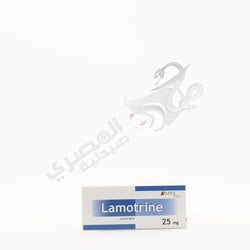
Lamotrine 50 Mg Tablets
Description:
Lamotrine 50 mg tablets are a prescription anticonvulsant medicine containing lamotrigine, used for the treatment and prevention of epileptic seizures and for the management of bipolar disorder mood episodes. Classified as an anti-epileptic and mood stabilizer, Lamotrine 50 mg helps stabilize electrical activity in the brain by blocking voltage-sensitive sodium channels and reducing the release of excitatory neurotransmitters such as glutamate and aspartate. Each tablet provides 50 mg of lamotrigine, suitable for adults and adolescents as directed by a healthcare professional.
Indications:
- Treatment of partial seizures (with or without secondary generalization) in epilepsy.
- Treatment of primary generalized tonic-clonic seizures.
- Adjunctive therapy in patients with epilepsy not adequately controlled by other anti-epileptic drugs (as prescribed by a doctor).
- Management of seizures associated with Lennox–Gastaut syndrome (as part of combination therapy).
- Prevention of depressive episodes in patients with bipolar disorder (bipolar I disorder), particularly in patients with predominant depressive episodes (as directed by a psychiatrist).
- Helps reduce seizure frequency and severity and stabilize mood over the long term.
Active Ingredients / Key Components:
- Lamotrigine – 50 mg per tablet.
- Excipients: Other inactive ingredients (tablet core and coating) are present but specific excipient names and concentrations , please check the product leaflet or the manufacturer’s official website.
Dosage & Administration / How to Use:
- Lamotrine 50 mg tablets must be used exactly as prescribed by your doctor. Do not change your dose or stop the medicine without medical advice.
- Tablets are usually taken by mouth with a glass of water, with or without food.
- For epilepsy (adults and adolescents): Treatment is usually started at a low dose and gradually increased over several weeks to reduce the risk of skin rash. Typical maintenance doses vary depending on whether lamotrigine is used alone (monotherapy) or with other anti-epileptic drugs such as valproate, carbamazepine, phenytoin, phenobarbital, or primidone. Follow your neurologist’s dosing schedule carefully.
- For bipolar disorder: Dose titration is also gradual. Your psychiatrist will determine the starting dose, titration steps, and maintenance dose based on your clinical condition and any concomitant medications.
- Swallow the tablet whole; do not crush, break, or chew unless your doctor or pharmacist specifically advises otherwise.
- If you miss a dose, take it as soon as you remember unless it is almost time for your next dose. Do not double the dose to make up for a missed tablet.
- Do not stop taking Lamotrine suddenly, as abrupt discontinuation may increase seizure frequency or trigger mood relapse. Dose should be tapered gradually under medical supervision.
Clinical Benefits:
- Helps control and reduce the frequency of epileptic seizures by stabilizing neuronal firing.
- Acts as a mood stabilizer in bipolar disorder, helping prevent depressive episodes and maintain emotional balance.
- Blocks voltage-sensitive sodium channels and reduces excessive release of excitatory neurotransmitters (glutamate, aspartate), contributing to improved seizure control.
- Can be used as monotherapy or adjunctive therapy, allowing flexible integration into individualized epilepsy treatment plans.
Warnings & Contraindications:
- Do not use Lamotrine 50 mg tablets if you are allergic (hypersensitive) to lamotrigine or any of the other ingredients in the product.
- Serious skin reactions (including Stevens–Johnson syndrome and toxic epidermal necrolysis) have been reported with lamotrigine, especially during the first weeks of treatment or when dose is increased too quickly. Stop the medicine and seek urgent medical attention if you develop rash, blistering, peeling skin, mouth ulcers, or fever.
- Use with caution in patients with kidney or liver impairment; dose adjustment may be required. Inform your doctor if you have any history of liver disease or renal disease.
- Concomitant use with other anti-epileptic drugs such as phenytoin, carbamazepine, phenobarbitone, primidone, or sodium valproate can alter lamotrigine blood levels. Your doctor may need to adjust your dose accordingly.
- Lamotrigine does not significantly induce or inhibit hepatic oxidative drug-metabolizing enzymes, but always inform your doctor about all medicines, supplements, or herbal products you are taking.
- Use in pregnancy and breastfeeding: Only under strict medical supervision when the potential benefit justifies the potential risk. Discuss family planning, pregnancy, and breastfeeding with your doctor before starting or changing lamotrigine therapy.
- Lamotrigine may cause dizziness, drowsiness, or blurred vision. Avoid driving, operating machinery, or performing tasks that require alertness until you know how the medicine affects you.
- Patients with a history of psychiatric disorders, suicidal thoughts, or behavior should be monitored closely, as anti-epileptic drugs may be associated with an increased risk of suicidal ideation in some patients.
- Consult your doctor before use if pregnant, nursing, taking other anti-epileptic medications, or have medical conditions such as liver disease, kidney disease, or psychiatric illness.
- Keep out of reach of children.
- This product is a prescription medicine and must be used under medical supervision.
Side Effects:
- Common side effects may include headache, dizziness, drowsiness, fatigue, nausea, vomiting, abdominal pain, insomnia, blurred or double vision, and tremor.
- Less common side effects can include back pain, joint or muscle pain, irritability, anxiety, or changes in mood.
- Serious side effects (seek immediate medical attention): severe skin rash, blistering, peeling or purple skin lesions, mouth or eye ulcers, high fever, swollen lymph nodes, facial or tongue swelling, difficulty breathing, signs of liver problems (yellowing of skin or eyes, dark urine, severe fatigue), or signs of blood disorders (unusual bruising, bleeding, infections, sore throat).
- If you experience worsening seizures, severe mood changes, suicidal thoughts, or unusual behavioral changes, contact your doctor immediately.
Storage Instructions:
Store in a cool, dry place away from direct sunlight and moisture. Keep the blister pack or container tightly closed. Do not use after the expiry date stated on the packaging. Keep out of reach of children.
Specifications:
- Strength: 50 mg lamotrigine per tablet.
- Form: Oral tablet.
- Pack size: 30 tablets per pack (30 tab).
- Intended use: Prescription anti-epileptic and mood stabilizer for adults and adolescents as directed by a healthcare professional.
Disclaimer: All pharmacy products are intended for general use only and do not replace professional medical advice, diagnosis, or treatment. Always consult a healthcare provider before use. Results may vary, and no specific outcomes are guaranteed. Products are not intended to diagnose, treat, cure, or prevent any disease unless stated. Follow label instructions carefully, as misuse may cause adverse effects. Compliance with local laws is the customer’s responsibility.



 You can add a rating once you purchase the product through the My Orders page

