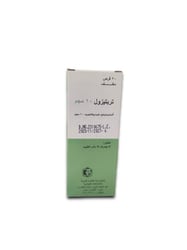
Tryptizol 25 Mg 30 Tablets
Description:
Tryptizol 25 mg 30 tablets is a prescription antidepressant medicine containing amitriptyline, a tricyclic antidepressant (TCA). It is used under medical supervision to treat depressive disorders and certain chronic pain and neurological conditions. By modulating key neurotransmitters in the brain, Tryptizol helps improve mood, reduce anxiety and tension, and can aid in the prevention of migraine and management of specific conditions such as nocturnal enuresis in selected patients. This product is intended for adult use and must be taken only as directed by a healthcare professional.
Indications:
- Treatment of depressive disorders, including major depression and depressive episodes associated with anxiety.
- Prophylaxis (prevention) of migraine attacks in suitable patients, especially when associated with tension or depression.
- Adjunctive treatment in bulimia nervosa as prescribed by a specialist.
- Management of nocturnal enuresis (bedwetting) in children when recommended by a physician and after organic causes have been excluded.
- May be used off-label for certain chronic neuropathic pain conditions, tension-type headache, or sleep disturbances, only under medical supervision.
Active Ingredients / Key Components:
- Amitriptyline hydrochloride – 25 mg per tablet (tricyclic antidepressant).
- Excipients: The full list of inactive ingredients (excipients, colorants, preservatives) is not available in the provided information. Please refer to the package insert for complete details.
Dosage & Administration / How to Use:
- Always use Tryptizol exactly as prescribed by your doctor. Do not adjust the dose or stop treatment without medical advice.
- Adults (depression and related conditions): The usual starting dose is often 25–50 mg daily, which may be taken as a single dose at bedtime or divided doses. The dose may be gradually increased by the physician according to response and tolerability. Maximum daily dose depends on clinical judgment and patient factors.
- Migraine prophylaxis: Treatment often starts with a low dose (such as 10–25 mg at night), then adjusted by the doctor based on response and side effects.
- Nocturnal enuresis (bedwetting): Dose and age limits are determined by the pediatrician; this medicine should not be used in children without strict medical supervision.
- Tablets should be swallowed whole with a sufficient amount of water. Do not crush or chew unless your doctor or pharmacist advises otherwise.
- Can be taken with or without food; taking it in the evening may reduce daytime drowsiness in some patients.
- If you miss a dose, take it as soon as you remember unless it is almost time for the next dose. Do not double the dose to make up for a missed dose.
- Do not abruptly discontinue Tryptizol; your doctor will usually reduce the dose gradually to minimize withdrawal symptoms.
Clinical Benefits:
- Helps relieve symptoms of depression such as low mood, loss of interest, fatigue, and sleep disturbances by increasing serotonin and noradrenaline levels in the brain.
- Provides migraine prophylaxis by modulating monoamine neurotransmitters, helping to reduce frequency and severity of migraine attacks in suitable patients.
- Can support control of nocturnal enuresis in selected patients when other causes have been excluded and behavioral measures are insufficient.
- May reduce certain types of chronic tension or neuropathic pain when prescribed off-label by a specialist.
Warnings & Contraindications:
- Contraindicated in patients with known hypersensitivity to amitriptyline or any component of the formulation.
- Contraindicated in patients with recent myocardial infarction, congestive heart failure (CHF), or severe cardiac conduction disorders, unless specifically directed and monitored by a cardiologist.
- Contraindicated in severe liver disease or significant hepatic impairment.
- Use with extreme caution in patients with a history of seizures, glaucoma (especially narrow-angle), urinary retention, prostatic hypertrophy, hyperthyroidism, or those receiving thyroid medication.
- May cause drowsiness, dizziness, and blurred vision. Avoid driving, operating machinery, or performing tasks requiring alertness until you know how the medicine affects you.
- Concomitant use with monoamine oxidase inhibitors (MAOIs) or within 14 days of stopping an MAOI is contraindicated due to risk of serious interactions.
- Use with caution in patients with cardiovascular disease, arrhythmias, or those taking other medicines that affect heart rhythm (QT prolongation risk).
- Alcohol may enhance the sedative and CNS depressant effects of amitriptyline; avoid or limit alcohol consumption.
- May increase risk of suicidal thoughts and behavior, particularly at the beginning of treatment or when doses are changed, especially in young adults. Close monitoring is required.
- Consult your doctor before use if pregnant, planning pregnancy, or breastfeeding. Amitriptyline should be used during pregnancy or lactation only if clearly needed and under medical supervision.
- Inform your doctor about all other medicines you are taking, including other antidepressants, antipsychotics, antiarrhythmics, antihistamines, sedatives, and herbal products (e.g., St. John’s wort) to avoid interactions.
- Not intended to diagnose, treat, cure, or prevent any disease without proper medical supervision.
- Keep out of reach of children.
Side Effects:
- Common side effects: Drowsiness, dizziness, dry mouth, constipation, blurred vision, increased appetite and weight gain, sweating, difficulty urinating, and mild confusion (especially in elderly patients).
- Less common side effects: Changes in heart rate or rhythm (palpitations, tachycardia), low blood pressure (especially on standing), headache, nausea, vomiting, tremor, and changes in libido.
- Serious side effects (seek immediate medical attention): Chest pain, severe dizziness or fainting, irregular heartbeat, seizures, severe allergic reactions (rash, itching, swelling of face or tongue, difficulty breathing), severe mood changes, suicidal thoughts or behavior, yellowing of the skin or eyes (jaundice), or signs of liver problems.
- If any side effects persist, worsen, or you notice any other unusual symptoms, contact your doctor or pharmacist promptly.
Storage Instructions:
Store in a cool, dry place away from direct sunlight. Keep container tightly closed. Keep out of reach of children.
Specifications:
- Active ingredient: amitriptyline hydrochloride 25 mg per tablet.
- Form: oral tablet.
- Pack size: 30 tablets per pack.
- Intended use: prescription antidepressant and migraine prophylaxis under medical supervision.
Disclaimer: All pharmacy products are intended for general use only and do not replace professional medical advice, diagnosis, or treatment. Always consult a healthcare provider before use. Results may vary, and no specific outcomes are guaranteed. Products are not intended to diagnose, treat, cure, or prevent any disease unless stated. Follow label instructions carefully, as misuse may cause adverse effects. Compliance with local laws is the customer’s responsibility.


 You can add a rating once you purchase the product through the My Orders page

