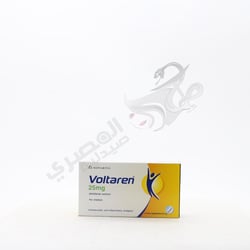
Voltaren 50 Mg 20 Tablets
Description:
Voltaren 50 mg tablets are a prescription non-steroidal anti-inflammatory drug (nsaid) containing diclofenac sodium. They are used for the relief of pain, inflammation, and swelling in various musculoskeletal and joint disorders, as well as for short-term treatment of acute pain. Voltaren works by inhibiting cyclooxygenase (cox-1 and cox-2) enzymes, reducing prostaglandin synthesis, which helps decrease pain, inflammation, and fever. Manufactured by Novartis, Voltaren 50 mg is indicated for adults and adolescents as directed by a healthcare professional.
Indications:
- Acute and chronic treatment of signs and symptoms of osteoarthritis (joint pain, stiffness, swelling).
- Acute and chronic treatment of signs and symptoms of rheumatoid arthritis.
- Management of ankylosing spondylitis and other inflammatory rheumatic conditions (if prescribed).
- Short-term relief of acute musculoskeletal pain such as back pain, sprains, and strains (as directed by a doctor).
- Relief of pain and inflammation following trauma or orthopedic surgery (if recommended by a physician).
- Symptomatic relief of mild to moderate pain, including dental pain and post-operative pain (under medical supervision).
- Reduction of inflammation and associated pain in soft-tissue rheumatism such as tendinitis and bursitis (if prescribed).
Active Ingredients / Key Components:
- Diclofenac sodium – 50 mg per tablet.
- Other inactive ingredients (excipients) are present in the tablet core and coating; detailed excipient list and their concentrations , please check the product leaflet or the manufacturer’s official website. Please refer to the official package leaflet for full composition.
Dosage & Administration / How to Use:
- Use Voltaren 50 mg tablets exactly as prescribed by your doctor. Do not exceed the recommended dose or duration.
- Typical adult dose for pain and inflammatory conditions is often 50 mg two to three times daily, depending on severity and clinical judgement; however, the exact dose, frequency, and duration must be determined by a healthcare professional.
- Tablets should be swallowed whole with water, preferably with or after food to help reduce gastrointestinal side effects. Do not crush or chew the tablets unless your doctor advises otherwise.
- Use the lowest effective dose for the shortest possible duration to control symptoms and minimize side effects.
- If you miss a dose, take it as soon as you remember unless it is almost time for your next dose. Do not double the dose to make up for a missed one.
- Not recommended for children unless specifically prescribed by a pediatric specialist.
- Patients with kidney, liver, or heart problems, elderly patients, and those on long-term therapy may require dose adjustment and close monitoring by a doctor.
Clinical Benefits:
- Provides effective relief from joint pain, stiffness, and swelling associated with osteoarthritis and rheumatoid arthritis.
- Reduces inflammation by inhibiting cox-1 and cox-2 enzymes, leading to decreased prostaglandin production.
- Offers analgesic (pain-relieving) action for acute musculoskeletal pain, back pain, and post-traumatic pain.
- Exerts antipyretic (fever-reducing) effects through action on the hypothalamus, promoting heat dissipation.
- Improves mobility and functional capacity in patients with inflammatory joint diseases when used as part of a comprehensive treatment plan.
Warnings & Contraindications:
- Contraindicated in patients with known hypersensitivity to diclofenac, other nsaids, or any component of the formulation.
- Do not use in patients with active peptic ulcer, gastrointestinal bleeding, or history of recurrent peptic ulcers or gi bleeding related to nsaid therapy.
- Contraindicated in patients with severe heart failure, severe liver impairment, or severe renal impairment unless strictly supervised by a specialist.
- Do not use in patients who have experienced asthma, urticaria, or allergic-type reactions after taking aspirin or other nsaids.
- Use with caution in patients with hypertension, heart disease, edema, kidney or liver disease, history of gastrointestinal disorders (ulcerative colitis, Crohn’s disease), or bleeding disorders.
- Long-term or high-dose use may increase the risk of serious cardiovascular events (such as heart attack or stroke) and gastrointestinal events (bleeding, ulceration, perforation).
- Consult your doctor before use if pregnant, planning pregnancy, or breastfeeding. Diclofenac is generally not recommended, especially in the third trimester of pregnancy.
- May cause dizziness, fatigue, or visual disturbances. Avoid driving or operating machinery if affected.
- Avoid concomitant use with other nsaids, high-dose aspirin, anticoagulants, corticosteroids, selective serotonin reuptake inhibitors (ssris), or certain antihypertensives unless advised by a doctor due to increased risk of side effects or interactions.
- Regular monitoring may be required in long-term treatment (kidney function, liver function, blood counts).
- Consult your doctor before use if you have a history of asthma, allergies, diabetes, high cholesterol, or if you smoke.
- Keep out of reach of children.
Side Effects:
- Common side effects may include nausea, vomiting, abdominal pain, indigestion, diarrhea, constipation, headache, dizziness, or skin rash.
- Less common but serious side effects can include gastrointestinal bleeding or ulceration (black or bloody stools, vomiting blood), severe abdominal pain, severe skin reactions, swelling of the face or throat, difficulty breathing, chest pain, sudden weakness or numbness, or visual disturbances.
- Rarely, liver or kidney function abnormalities, fluid retention, increased blood pressure, or blood disorders may occur.
- Stop taking the medicine and seek immediate medical attention if you experience signs of an allergic reaction (rash, itching, swelling, severe dizziness, trouble breathing) or any severe or unusual symptoms.
- This is not a complete list of side effects. Always read the patient information leaflet and consult your doctor or pharmacist for more details.
Storage Instructions:
Store in a cool, dry place away from direct sunlight. Keep container tightly closed. Keep out of reach of children. Do not use after the expiry date printed on the pack. Store at or below the temperature specified on the package insert (exact storage temperature is not available in the provided information; refer to the official leaflet).
Specifications:
- Form: Tablets for oral use.
- Strength: 50 mg diclofenac sodium per tablet.
- Pack size: 20 tablets per pack.
- Intended use: Prescription nsaid for pain and inflammation management in adults and adolescents as directed by a healthcare professional.
Disclaimer: All pharmacy products are intended for general use only and do not replace professional medical advice, diagnosis, or treatment. Always consult a healthcare provider before use. Results may vary, and no specific outcomes are guaranteed. Products are not intended to diagnose, treat, cure, or prevent any disease unless stated. Follow label instructions carefully, as misuse may cause adverse effects. Compliance with local laws is the customer’s responsibility.






 You can add a rating once you purchase the product through the My Orders page

