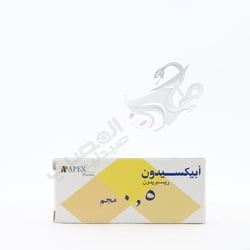
Apexidone 4 Mg Tablets
Description:
Apexidone 4 mg tablets are a prescription antipsychotic medicine containing risperidone, a second-generation (atypical) antipsychotic used to manage various psychiatric and mood disorders. It works primarily by balancing dopamine and serotonin activity in the brain, helping to reduce psychotic symptoms such as hallucinations, delusions, disorganized thinking, and severe agitation. Apexidone 4 mg film-coated tablets are intended for adult and adolescent patients under the supervision of a psychiatrist or qualified healthcare professional.
Indications:
- Treatment of schizophrenia and other psychotic disorders characterized by hallucinations, delusions, disorganized behavior, and disturbed thinking.
- Management of acute and chronic psychoses where an atypical antipsychotic is indicated.
- May be used as part of the treatment of manic episodes associated with bipolar disorder (antimanic effect), according to physician judgment and local guidelines.
- Helps control severe agitation, aggression, and behavioral disturbances in certain psychiatric conditions, as prescribed by a specialist.
- Used for long-term maintenance therapy to help prevent relapse of psychotic symptoms, under regular medical follow-up.
Active Ingredients / Key Components:
- Risperidone – 4 mg per film-coated tablet.
- Excipients (tablet core and coating) – include standard pharmaceutical tablet ingredients (such as fillers, binders, and coating agents). Exact excipient list and concentrations , please check the product leaflet or the manufacturer’s official website; please refer to the official package leaflet for full details.
Dosage & Administration / How to Use:
- Apexidone 4 mg tablets must be used exactly as prescribed by your psychiatrist or healthcare provider. Do not change the dose or stop the medicine without medical advice.
- Typical adult dosing for schizophrenia often starts at a lower dose (e.g., 1–2 mg per day) and is gradually increased. The 4 mg strength is usually used as part of the maintenance or adjusted dose regimen, according to clinical response and tolerability.
- Tablets are taken by mouth, swallowed whole with a glass of water. Do not chew or crush the film-coated tablet unless your doctor or pharmacist advises otherwise.
- Can be taken with or without food; try to take it at the same time each day to maintain stable blood levels.
- If you miss a dose, take it as soon as you remember unless it is almost time for the next dose. Do not double the dose to make up for a missed one. Consult your doctor if you miss several doses.
- Duration of treatment is long term in many patients and is determined solely by your treating physician based on your condition and response.
- Do not stop taking Apexidone suddenly without medical supervision, as this may lead to symptom recurrence or withdrawal-like effects.
Clinical Benefits:
- Helps reduce positive symptoms of psychosis such as hallucinations, delusions, and disorganized speech or behavior.
- Improves overall thinking, mood stability, and daily functioning in patients with schizophrenia and related disorders.
- Provides antimanic effects that can help control acute manic episodes and agitation in bipolar disorder, as directed by a specialist.
- Second-generation (atypical) antipsychotic profile, targeting both dopamine and serotonin receptors, which may offer a more favorable balance of efficacy and side effects compared with some older antipsychotics.
Warnings & Contraindications:
- Contraindicated in patients with known hypersensitivity or allergy to risperidone or any of the tablet excipients.
- Use with caution in patients with a history of cardiovascular disease (e.g., heart failure, recent myocardial infarction, conduction abnormalities), cerebrovascular disease, or risk factors for stroke.
- Use with caution in patients with Parkinson’s disease or dementia-related psychosis; antipsychotics may worsen motor symptoms or increase the risk of cerebrovascular events in elderly patients with dementia.
- May cause orthostatic hypotension (drop in blood pressure when standing); patients should rise slowly from sitting or lying positions, especially at the start of treatment or after dose increases.
- May increase blood sugar, cholesterol, triglycerides, and body weight; monitoring is recommended in patients with diabetes, obesity, or metabolic risk factors.
- May increase prolactin levels, potentially causing menstrual disturbances, breast enlargement, or sexual dysfunction; inform your doctor if these occur.
- Can cause drowsiness, dizziness, and impaired judgment; avoid driving, operating machinery, or performing hazardous tasks until you know how the medicine affects you.
- Drug interactions: levodopa and other dopamine agonists – risperidone may reduce their efficacy; carbamazepine – chronic use may decrease risperidone levels and efficacy; clozapine – chronic use may enhance risperidone efficacy. Inform your doctor about all medicines, supplements, or herbal products you are taking.
- Alcohol may increase drowsiness and other central nervous system effects; avoid or limit alcohol consumption.
- Consult your doctor before use if pregnant or planning pregnancy. Risperidone should be used during pregnancy only if clearly needed. Do not breastfeed unless your doctor decides the benefit outweighs the risk, as risperidone can pass into breast milk.
- Consult your doctor before use if you have liver or kidney impairment, epilepsy or seizure disorders, low white blood cell counts, or a history of neuroleptic malignant syndrome.
- Not intended to diagnose, treat, cure, or prevent any disease without proper medical supervision. This is a prescription-only medicine and must be used under a doctor’s guidance.
- Keep out of reach of children.
Side Effects:
- Common side effects may include drowsiness, dizziness, fatigue, headache, anxiety, insomnia, increased appetite, weight gain, nausea, vomiting, constipation, dry mouth, and nasal congestion.
- Neurological side effects can include extrapyramidal symptoms (such as tremor, muscle stiffness, restlessness, or slowed movements), especially at higher doses. Inform your doctor if you notice any abnormal movements or muscle rigidity.
- Hormonal effects related to increased prolactin may include breast tenderness, breast enlargement, galactorrhea (milk secretion), menstrual irregularities, or decreased libido.
- Metabolic changes such as increased blood sugar, cholesterol, or triglycerides can occur; regular monitoring may be required in at-risk patients.
- Serious but less common side effects include seizures, severe allergic reactions (rash, itching, swelling of face or tongue, difficulty breathing), neuroleptic malignant syndrome (high fever, muscle stiffness, confusion, rapid heartbeat), and significant changes in blood pressure or heart rhythm. Seek immediate medical attention if these occur.
- If you experience sudden weakness or numbness on one side of the body, difficulty speaking, or sudden vision changes (possible signs of stroke), seek emergency medical care.
- Always report any unusual or severe side effects to your doctor or pharmacist promptly.
Storage Instructions:
Store in a cool, dry place away from direct sunlight. Keep container tightly closed. Keep out of reach of children. Do not use after the expiry date printed on the pack. Store at or below the temperature recommended on the package insert (specific temperature range is not available in the provided information; refer to the official leaflet).
Specifications:
- Product form: Film-coated tablets.
- Strength: 4 mg risperidone per tablet.
- Pack size: 30 film-coated tablets per pack (30 f.c. tab.).
- Route of administration: Oral.
- Intended users: Adults and adolescents as prescribed by a psychiatrist or qualified healthcare provider.
Disclaimer: All pharmacy products are intended for general use only and do not replace professional medical advice, diagnosis, or treatment. Always consult a healthcare provider before use. Results may vary, and no specific outcomes are guaranteed. Products are not intended to diagnose, treat, cure, or prevent any disease unless stated. Follow label instructions carefully, as misuse may cause adverse effects. Compliance with local laws is the customer’s responsibility.




 You can add a rating once you purchase the product through the My Orders page

