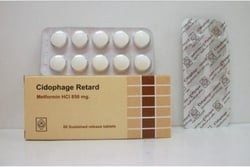
Cidophage 500 Mg 500 Tablets
Description:
Cidophage 500 mg is an oral anti-diabetic prescription medicine containing metformin hydrochloride, a biguanide used for the management of type 2 diabetes mellitus. It helps control high blood sugar levels in adults by improving the body’s response to insulin and reducing glucose production in the liver. Cidophage 500 mg 500 tablets is suitable for long-term diabetes control as an adjunct to diet and exercise, and may be used alone or in combination with other anti-diabetic medications as directed by a physician.
Indications:
- Management of type 2 diabetes mellitus (non-insulin dependent diabetes mellitus) in adults, particularly in overweight patients, when blood glucose cannot be adequately controlled by diet and exercise alone.
- Helps reduce elevated fasting and postprandial blood glucose levels.
- May be used as monotherapy or in combination with other oral anti-diabetic agents or insulin, as prescribed by a healthcare professional.
- Supports long-term glycemic control to help reduce the risk of diabetes-related complications when used as part of a comprehensive diabetes care plan (diet, exercise, lifestyle modification).
Active Ingredients / Key Components:
- Metformin hydrochloride – 500 mg per tablet
- Excipients: Other inactive ingredients (tablet core and coating) are present but specific excipients and their concentrations , please check the product leaflet or the manufacturer’s official website.
Dosage & Administration / How to Use:
- Use only as prescribed by your doctor. Dosage must be individualized based on blood glucose levels and clinical response.
- Adults (typical regimen for metformin): Initial dose is usually 250 mg twice or three times daily with meals. The dose may be increased gradually at 2‑week intervals, if required, up to a maximum of 3 g daily, divided into 2–3 doses. Your doctor will determine the exact dose and titration schedule.
- For Cidophage 500 mg tablets, your doctor may start with 1 tablet once or twice daily with meals and adjust the dose based on blood glucose monitoring and tolerance.
- Tablets should be swallowed whole with a glass of water, preferably during or after meals to reduce gastrointestinal side effects.
- Do not crush or chew the tablets unless your doctor or pharmacist specifically advises otherwise.
- If a dose is missed, take it as soon as you remember unless it is almost time for the next dose. Do not double the dose to make up for a missed dose.
- Regular monitoring of blood glucose and, when appropriate, HbA1c is recommended to assess treatment efficacy.
- Always follow your doctor’s instructions regarding diet, exercise, and concurrent medications while using Cidophage.
Clinical Benefits:
- Helps lower elevated blood glucose levels in type 2 diabetes without typically causing weight gain.
- Decreases hepatic glucose production (suppresses gluconeogenesis), reducing excess glucose output from the liver.
- Improves insulin sensitivity and enhances insulin‑mediated glucose uptake in muscle and adipose tissue.
- Promotes peripheral glucose utilization by increasing anaerobic glycolysis and enhancing GLUT1 (glucose transporter‑1) translocation to the cell membrane.
- Reduces intestinal absorption of glucose and other hexose sugars, contributing to better postprandial glucose control.
- May improve lipid profile in type 2 diabetic patients, helping to reduce total cholesterol and triglycerides (as reported for metformin in clinical use).
- Supports long‑term glycemic control as part of a comprehensive diabetes management plan, potentially lowering the risk of microvascular and macrovascular complications when used consistently and as directed.
Warnings & Contraindications:
- Use only under medical supervision. Not suitable for type 1 diabetes or diabetic ketoacidosis.
- Contraindicated in patients with severe renal impairment or significant reduction in kidney function. Kidney function should be assessed before starting treatment and periodically thereafter.
- Contraindicated in acute conditions that may alter renal function or cause tissue hypoxia (e.g., severe infection, shock, dehydration, acute heart failure, respiratory failure) due to increased risk of lactic acidosis.
- Use with caution in patients with liver disease, alcohol dependence, or conditions associated with hypoxia (e.g., recent myocardial infarction, severe cardiac or respiratory disease).
- Discontinue temporarily before and for a period after radiologic studies involving intravascular administration of iodinated contrast materials, as advised by your doctor.
- Long‑term use may be associated with decreased vitamin b12 absorption; periodic monitoring of vitamin b12 levels may be considered in long‑term therapy.
- Consult your doctor before use if pregnant, planning pregnancy, or breastfeeding. Your doctor will decide if this medicine is appropriate or if insulin or another treatment is preferred.
- Consult your doctor before use if you are taking other medications, especially other anti-diabetic drugs, diuretics, corticosteroids, beta‑blockers, or contrast media.
- Avoid excessive alcohol intake (acute or chronic) while taking metformin, as this increases the risk of lactic acidosis.
- Not intended to diagnose, treat, cure, or prevent any disease without proper medical supervision; it is a prescription medicine for the management of diagnosed diabetes.
- Keep out of reach of children.
- Do not use after the expiry date printed on the package. Do not use if the blister or outer packaging is damaged.
Side Effects:
- Common side effects: Gastrointestinal symptoms such as nausea, vomiting, diarrhea, abdominal discomfort, loss of appetite, and metallic taste in the mouth, especially at the start of therapy. These often improve as treatment continues or with dose adjustment and taking the tablets with meals.
- Less common side effects: Headache, weakness, mild skin reactions (e.g., rash), and decreased vitamin b12 levels with long‑term use.
- Serious but rare side effect: Lactic acidosis, a potentially life‑threatening condition characterized by rapid breathing, severe weakness, muscle pain, unusual sleepiness, abdominal pain, nausea, vomiting, or slow/irregular heartbeat. Stop the medicine and seek urgent medical attention if these symptoms occur.
- If you experience signs of severe hypoglycemia (very low blood sugar) such as sweating, tremor, confusion, or palpitations while using Cidophage with other anti-diabetic drugs or insulin, seek medical advice immediately.
- Always inform your doctor or pharmacist about any unexpected or persistent side effects.
Storage Instructions:
Store in a cool, dry place away from direct sunlight and moisture. Keep the container tightly closed and tablets in their original blister until use. Do not store above the temperature specified on the package (specific temperature not available in the provided information). Keep out of reach of children.
Specifications:
- Product type: Prescription oral anti-diabetic medicine (biguanide).
- Active ingredient strength: metformin hydrochloride 500 mg per tablet.
- Form: Film‑coated tablets for oral use.
- Pack size: 500 tablets (bulk pack suitable for long‑term therapy as prescribed).
- Intended users: Adults with type 2 diabetes mellitus, as directed by a healthcare professional. Not recommended for children based on the provided information.
Disclaimer: All pharmacy products are intended for general use only and do not replace professional medical advice, diagnosis, or treatment. Always consult a healthcare provider before use. Results may vary, and no specific outcomes are guaranteed. Products are not intended to diagnose, treat, cure, or prevent any disease unless stated. Follow label instructions carefully, as misuse may cause adverse effects. Compliance with local laws is the customer’s responsibility.


 You can add a rating once you purchase the product through the My Orders page

